It is one of the most common questions parents ask when they notice their child’s teeth starting to look crowded or slightly uneven. You glance at school photos and wonder if it is time to think about braces, or whether it is too early. The truth is that orthodontic treatment planning is not about chasing a perfect smile at a certain age. It is about understanding dental development stages, jaw growth patterns and whether early orthodontic evaluation is appropriate for your child.
Every child grows differently. Dental arch development, bite alignment and the timing of baby teeth and adult teeth overlap all vary from one child to another. That is why orthodontic suitability is always assessed individually rather than based purely on age.
Why Is Early Orthodontic Assessment Around Seven Years Often Recommended?
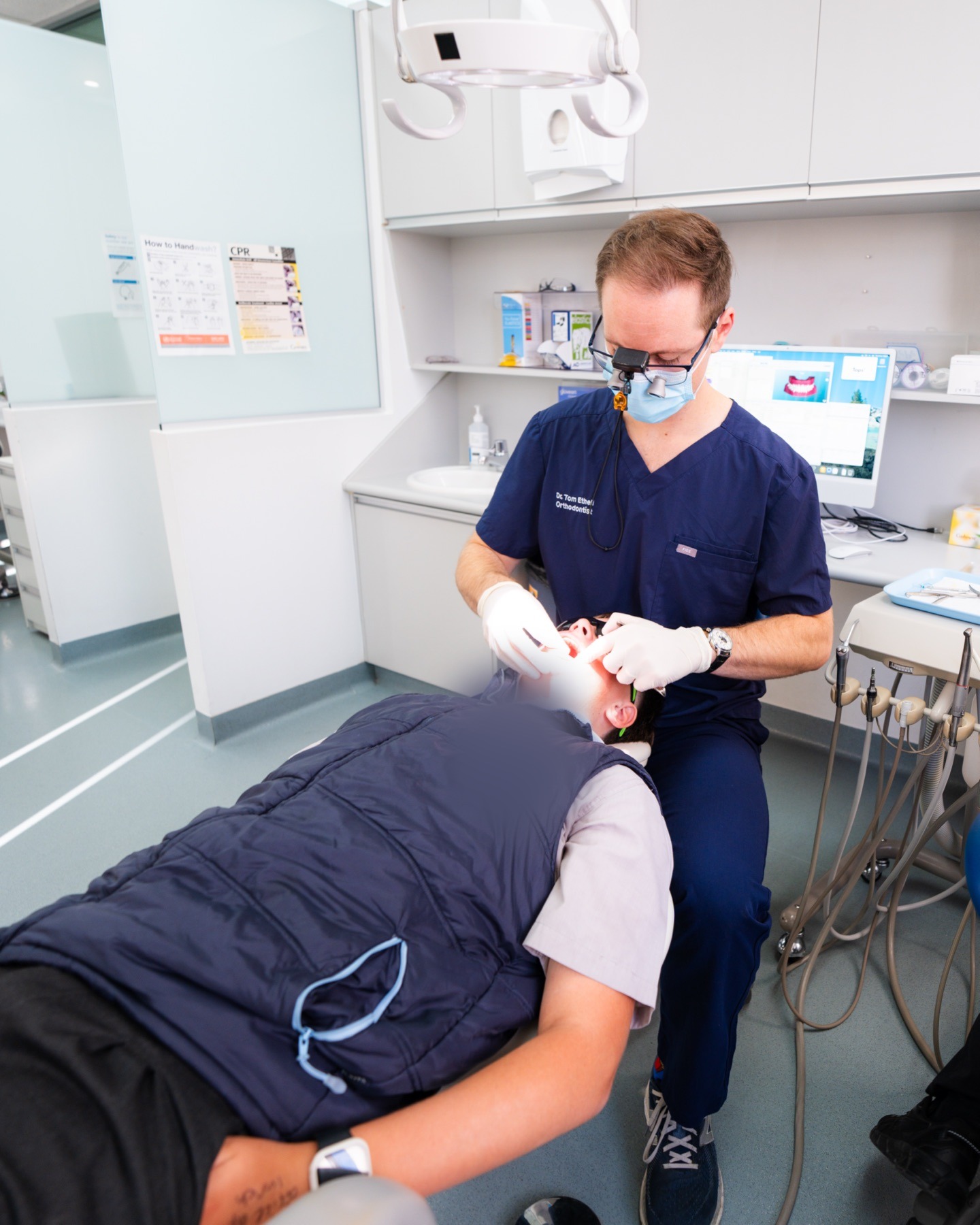
Around the age of seven, most children enter what is known as the mixed dentition phase. This is when both baby teeth and permanent teeth are present. At this stage, an orthodontic screening age assessment allows clinicians to observe jaw development in kids and identify potential bite alignment concerns.
An early orthodontic evaluation does not automatically mean braces will be fitted straight away. In many cases, it simply means growth monitoring. Observing jaw growth patterns at this stage can help detect concerns such as:
-
Crowding and spacing issues
-
Overbite and underbite tendencies
-
Crossbite patterns
-
Early or late loss of baby teeth
-
Mouth breathing habits
-
Difficulty chewing or biting
These signs may indicate the need for monitoring or, in some cases, interceptive orthodontics.
What Is Interceptive Orthodontics and Does Every Child Need It?
Interceptive orthodontics refers to early intervention options designed to guide jaw growth and dental arch development before all permanent teeth erupt. This might involve limited appliances or palatal expansion in specific cases. However, it is important to understand that early intervention is not required for every child.
Some children benefit from growth monitoring only. Others may require comprehensive braces later, once most permanent teeth are present. Timing for braces depends heavily on individual development rather than a fixed rule.
Below is a general overview of how orthodontic timelines often unfold:
| Stage | Age Range | What Typically Happens |
|---|---|---|
| Early Assessment | Around 7 years | Growth and bite screening |
| Mixed Dentition | 8 to 11 years | Monitoring tooth eruption and jaw development |
| Full Braces Consideration | 11 to 14 years | Most permanent teeth present |
| Late Teen Assessment | 15 years and older | Alignment planning if needed |
This table is a guide only. Some children develop earlier or later than these age ranges.
How Does Jaw Growth Influence the Timing of Braces?
Jaw growth plays a significant role in orthodontic planning. During childhood and early adolescence, the upper and lower jaws are still developing. Certain bite alignment concerns, such as underbite or significant overbite, may be influenced by growth direction.
Monitoring jaw development allows clinicians to determine whether intervention during active growth is beneficial. In other cases, waiting until growth stabilises may be more appropriate. Growth variability means that two children of the same age can have very different orthodontic needs.
What Are the Most Common Reasons Children May Need Braces?
Braces are typically considered to address functional and alignment concerns rather than cosmetic preferences alone. Common reasons include:
-
Dental crowding in children
-
Spacing between teeth
-
Bite discrepancies such as overbite, underbite or crossbite
-
Impacted or misaligned teeth
-
Speech concerns related to bite alignment
-
Difficulty maintaining oral hygiene due to overlapping teeth
Crooked teeth in children can sometimes make brushing and flossing more difficult, which may increase the risk of plaque accumulation. Addressing alignment may assist with long term oral health management.
Is It Better to Start Early or Wait Until the Teen Years?
This is one of the most frequent questions parents ask. The answer depends on the specific orthodontic assessment findings.
Early treatment may be considered when there are clear growth related issues. Comprehensive braces are more commonly placed once most permanent teeth have erupted, usually during early adolescence. Some children require no early intervention at all and simply benefit from periodic review appointments.
Below is a comparison of common approaches:
| Approach | Purpose | Notes |
|---|---|---|
| Interceptive treatment | Guide jaw growth | Suitable in selected cases only |
| Comprehensive braces | Align permanent teeth | Often during early teens |
| Monitoring only | Observe development | Very common when no urgent concern |
Orthodontic screening age guidelines are based on developmental principles rather than cosmetic timelines. The aim is to provide balanced, individualised care.
How Can Parents Tell If an Orthodontic Check Is Worth Booking?
While routine dental visits often include basic growth monitoring, a dedicated orthodontic assessment may be helpful if parents notice:
-
Persistent thumb sucking beyond early childhood
-
Difficulty closing the mouth comfortably
-
Teeth that appear significantly crowded
-
Noticeable jaw shifting when biting
-
Uneven wear patterns on teeth
It is also common for general dental practitioners to provide a referral to an orthodontist if they observe bite alignment concerns during routine check ups.
What Role Does Ongoing Monitoring Play in Orthodontic Care?
Growth monitoring is a significant part of orthodontic care planning. Many children are reviewed periodically without starting treatment immediately. These visits allow observation of:
-
Eruption patterns of adult teeth
-
Changes in spacing or crowding
-
Jaw growth direction
-
Stability of the bite
This careful observation supports informed decision making and avoids unnecessary early intervention.
Why Is Individual Assessment So Important?
No two children develop in exactly the same way. Dental development stages, eruption timing and jaw growth patterns vary widely. That is why orthodontic suitability cannot be determined solely by age or appearance.
Balanced information is essential. All orthodontic treatment involves consideration of benefits, potential risks and variability of outcomes. An informed approach ensures families understand what treatment involves and why timing matters.
Looking for Thoughtful Orthodontic Care in Canberra?
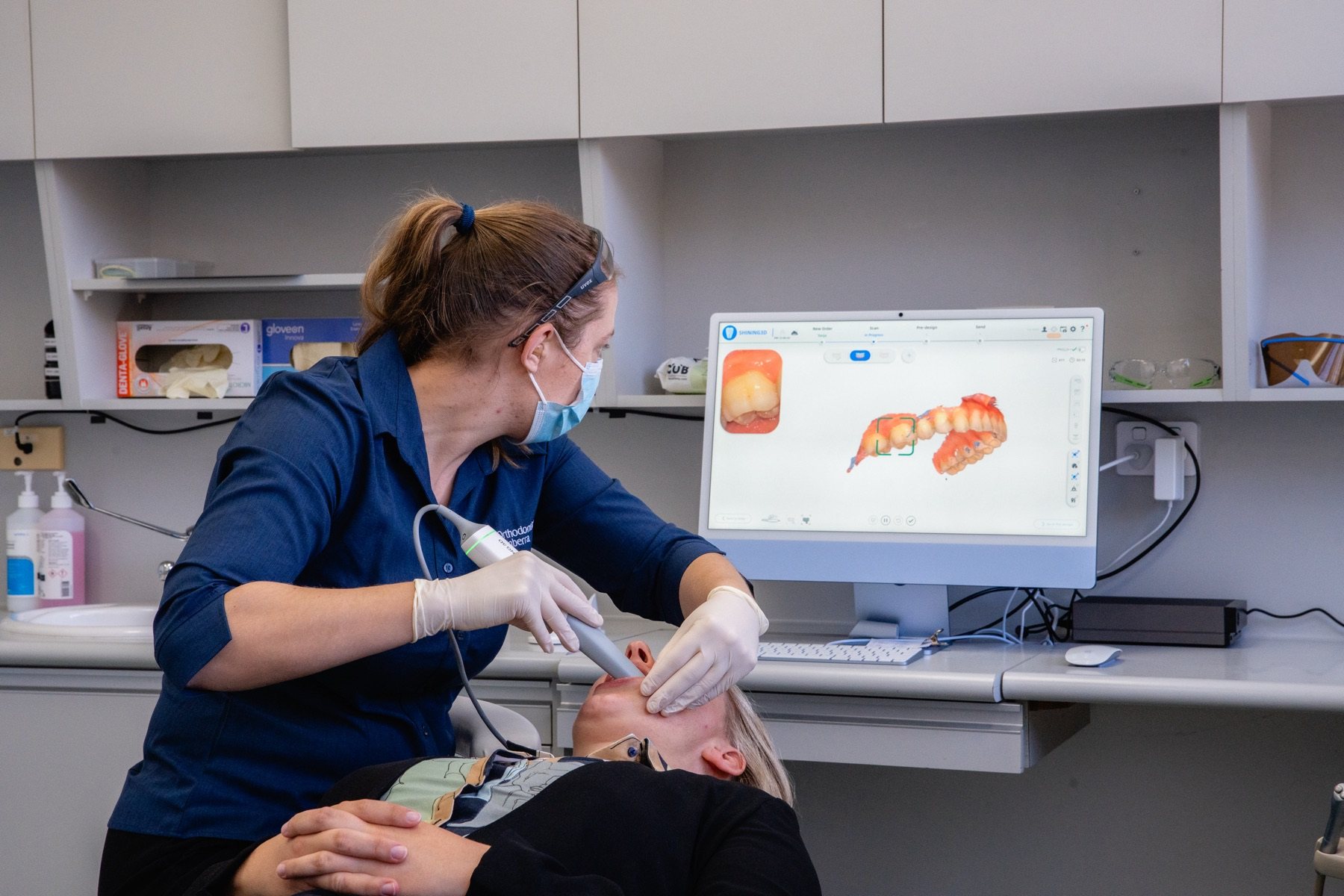
If you are considering an early orthodontic evaluation or wondering about timing for braces, Orthodontics Canberra provides comprehensive orthodontic assessment for children and teenagers. With careful diagnostic records, growth monitoring and clear explanations, families are guided through every stage of orthodontic treatment planning. The focus is on suitability, balanced information and individual care, rather than rushing into treatment. Whether your child is in the mixed dentition phase or entering adolescence, Orthodontics Canberra offers tailored orthodontic screening and monitoring designed to support long term oral health.
References
Australian Dental Association\
Australian Society of Orthodontists\
Australian Government Department of Health and Aged Care\
Frequently Asked Questions
-
At what age should my child first see an orthodontist?
Many children benefit from an orthodontic assessment around the age of seven, particularly during the mixed dentition phase. This allows monitoring of growth and bite development. -
Does early assessment mean my child will need braces straight away?
No. Early evaluation often involves growth monitoring rather than immediate treatment. -
Can braces be fitted before all baby teeth fall out?
In selected cases, limited interceptive orthodontics may be used. Comprehensive braces are more commonly fitted once most permanent teeth are present. -
How long does orthodontic treatment usually last?
Treatment duration varies depending on individual complexity and growth patterns. -
Are there risks associated with braces?
All orthodontic procedures involve potential risks, including discomfort, oral hygiene challenges and variability in outcomes. These are discussed before treatment begins. -
What if my child develops later than their peers?
Growth variability is normal. Orthodontic suitability is based on individual development rather than comparison with others.
Disclaimer
All dental procedures involve potential risks and benefits. The information provided in this blog is general in nature and should not be taken as medical advice. We recommend that you seek guidance from a suitably qualified health professional before making decisions about your oral health. Where appropriate, you may also wish to consider obtaining a second opinion.
Any images or videos featured are shared with the informed consent of our patients and are intended for educational purposes only. They are not a guarantee of results, as every patient is unique. Treatment outcomes — including recovery, potential complications, and effectiveness — can vary from person to person.