There is a common assumption that orthodontic treatment belongs in the teenage years. Many adults quietly believe they missed their opportunity. Yet adult braces and clear aligners for adults are now a normal part of modern orthodontic care. Across Australia, more people in their 30s, 40s and beyond are choosing teeth straightening for adults, not because it is fashionable, but because their priorities have changed.
Teeth do not stay still forever. Over time, subtle shifting can lead to overcrowding, spacing between teeth, tooth rotation, or bite changes. Some adults experience relapse after childhood braces. Others notice wear from misalignment or difficulty cleaning certain areas. The question is not whether you are too old. The real consideration is whether orthodontic treatment for adults is suitable for your individual circumstances.
Why Are More Adults Choosing Orthodontic Treatment in Their 30s, 40s and Beyond?
Adult orthodontics is no longer unusual. Many adults seek orthodontic treatment for practical reasons linked to long term oral health management. These may include:
-
Correcting crowded teeth that are harder to clean
-
Managing malocclusion in adults such as overbite, underbite, crossbite or open bite
-
Addressing shifting teeth over time
-
Treating bite issues in adults that cause uneven wear
-
Preparing for restorative dentistry coordination
-
Relapse after braces adulthood
-
Improving overall alignment before other dental procedures
Orthodontic options for adults are designed to fit around modern lifestyles. Workplace friendly orthodontic options and discreet orthodontic treatment have made adult braces more accessible than ever.
Do Teeth Continue to Move as You Get Older?
Adult jaw development is complete, but teeth can still shift gradually. Everyday habits, natural ageing and previous orthodontic treatment all influence alignment. Even small changes can affect occlusion assessment and how your bite functions.
Crowded areas may make oral hygiene more challenging. Periodontal health and orthodontics are closely connected. Before starting adult orthodontic consultation, gum health evaluation is essential. Stable gums and good oral hygiene form the foundation of safe treatment.
Is There an Upper Age Limit for Adult Braces?
There is no specific age that automatically excludes someone from orthodontic treatment planning. Suitability must be assessed on an individual basis. Factors considered during a comprehensive orthodontic assessment include:
-
Gum health evaluation
-
Diagnostic imaging
-
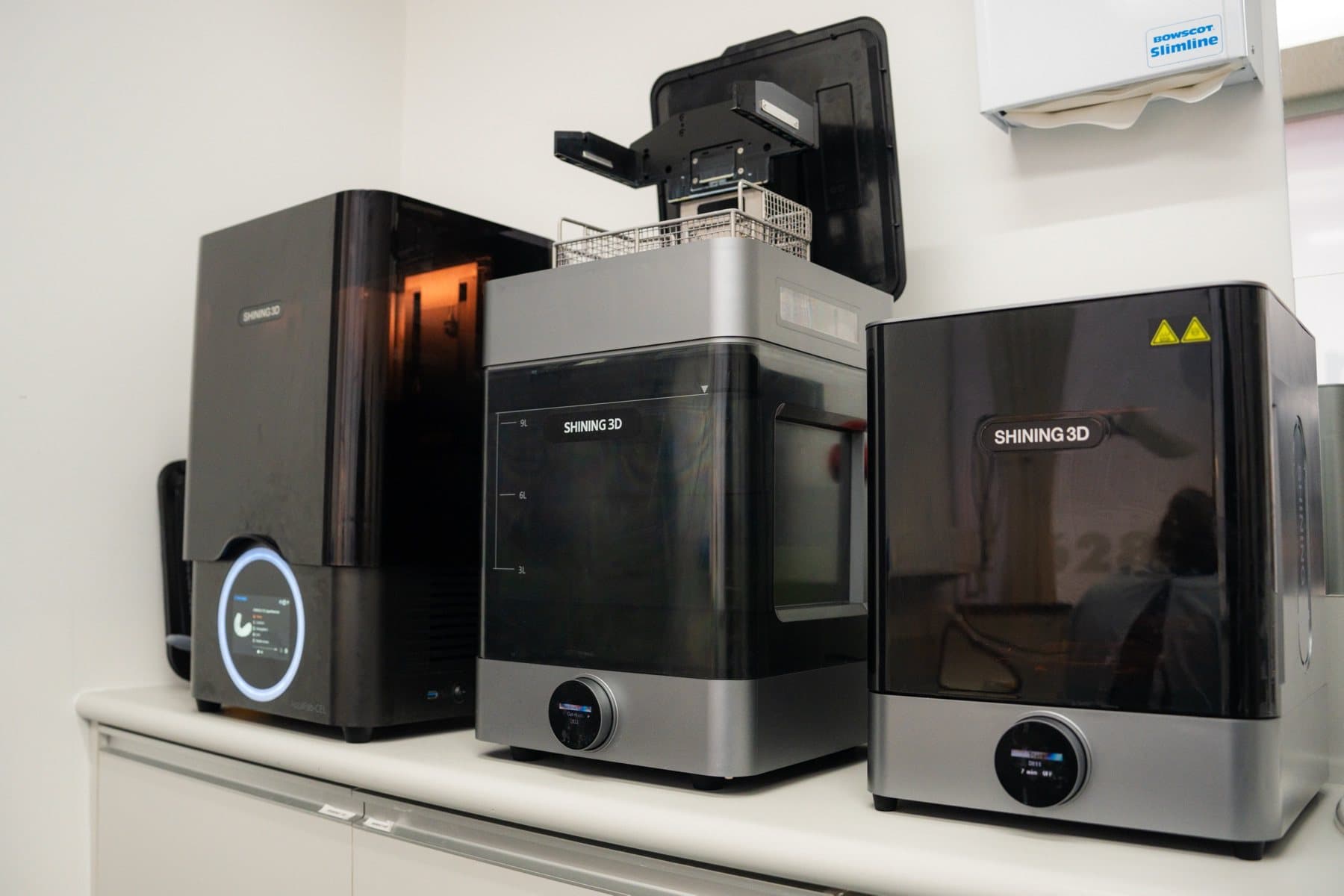
Digital scanning technology
-
Review of existing crowns or bridges
-
Enamel condition
-
Adult bone density considerations
-
Overall occlusion assessment
Below is a general overview of how considerations may vary across age groups.
| Factor | Adults in 30s | Adults in 40s | 50 Plus Adults |
|---|---|---|---|
| Bone maturity | Fully developed | Fully developed | Fully developed |
| Gum health considerations | Important | Often more critical | Must be carefully assessed |
| Appliance options | Braces or aligners | Braces or aligners | Case dependent |
| Treatment length | Case specific | Case specific | Case specific |
| Retention requirement | Long term | Long term | Long term |
| Suitability assessment | Required | Required | Required |
Individual results vary and treatment duration variability is normal.
What Orthodontic Options Are Available for Adults?
At Orthodontics Canberra, adult braces and aligners are fully customised based on your goals, lifestyle and clinical needs. Treatment is not one size fits all. A personalised suitability review ensures that each option is considered carefully.
Our treatment options include:
Traditional Braces
A reliable and effective option for a wide range of cases. Traditional braces provide precision and controlled tooth movement. They are often suitable for more complex malocclusion in adults.
Clear Braces
For those who prefer a more subtle look, clear braces offer the effectiveness of fixed appliances while blending more naturally with your teeth.
Aligners
For suitable cases, clear aligners for adults are nearly invisible and removable. Aligners allow you to eat and brush as normal, making them a practical option for busy lifestyles. Not all cases are suitable for aligners, and compliance with appliance wear is essential.
The comparison below outlines key features in a balanced way.
| Feature | Fixed Braces | Clear Aligners |
|---|---|---|
| Visibility | Visible | Less noticeable |
| Removable | No | Yes |
| Suitable for complex cases | Often | Case dependent |
| Oral hygiene access | Requires care | Easier when removed |
| Compliance dependent | Less | More |
| Suitability | Must be assessed | Must be assessed |
Orthodontic treatment planning considers lifestyle considerations, restorative dentistry coordination and the condition of existing dental work.
What Makes Adult Orthodontic Treatment Different From Teenage Treatment?
Adults often have additional factors to consider. These may include:
-
Existing crowns or bridges
-
Previous orthodontic treatment
-
Periodontal health concerns
-
Temporomandibular joint discomfort
-
Enamel wear from misalignment
Temporary discomfort and tooth sensitivity can occur during treatment. Root resorption is rare but documented. Maintenance requirements and long term follow up care are discussed as part of the informed consent process. Independent advice may also be considered before beginning treatment.
Retention is a critical stage. Retainers after braces are necessary to help maintain alignment. Without retention, relapse after braces adulthood can occur.
How Is Suitability for Adult Orthodontics Determined?
A comprehensive orthodontic assessment typically includes:
-
Clinical examination
-
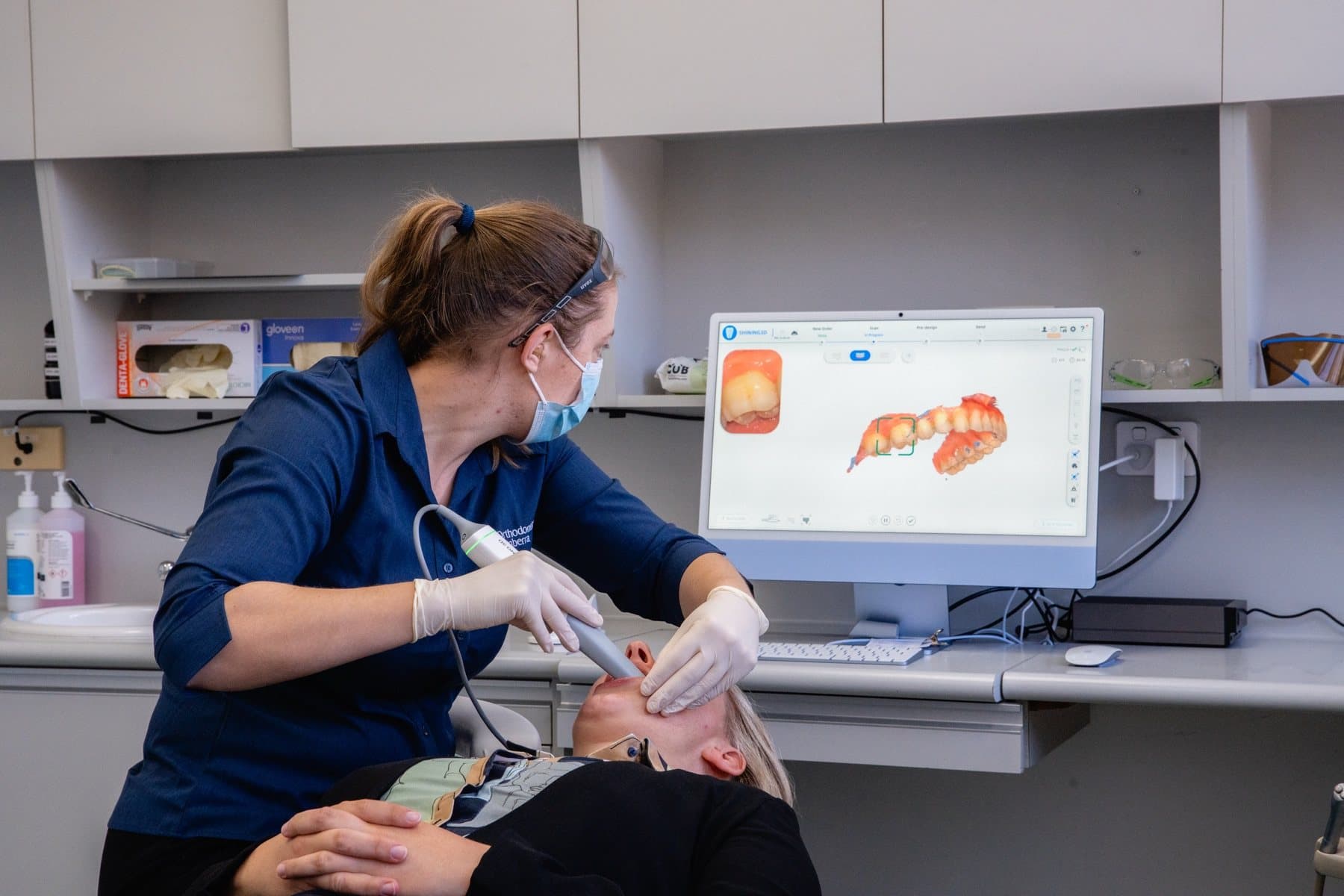
Digital scanning
-
Diagnostic imaging
-
Review of dental and medical history
-
Discussion of goals and expectations
-
Personalised suitability review
Individualised treatment planning focuses on balanced information. Risks and limitations are explained clearly, and alternative options are discussed. This ensures adults understand both benefits and responsibilities.
Thinking About Straightening Your Teeth?
If you have been wondering whether adult orthodontics could be right for you, the next step is a personalised assessment. Every smile is different, and suitability depends on factors such as gum health, bite position and overall dental condition.
At Orthodontics Canberra, adult braces and aligners are carefully planned to suit your goals, lifestyle and clinical needs. Whether you are exploring traditional braces, clear braces or discreet aligners, treatment options are explained thoroughly so you can make an informed decision with confidence.
If you are ready to learn more about orthodontic treatment for adults, arrange a consultation to discuss your suitability and explore the options available to you.
References
Australian Society of Orthodontists\
Australian Dental Association\
Australian Health Practitioner Regulation Agency Advertising Hub\
Frequently Asked Questions
Is it too late to get braces in your 40s or 50s?
Age alone does not prevent orthodontic treatment. Suitability depends on gum health, bone support and overall oral health.
Are clear aligners suitable for older adults?
Clear aligners may be suitable for many adults. A comprehensive orthodontic assessment determines whether they are appropriate.
How long does adult orthodontic treatment take?
Treatment duration varies depending on case complexity, biological response and compliance with appliance wear.
Do adults need retainers after braces?
Yes, retainers after braces are important to help maintain alignment and reduce the risk of relapse.
Can orthodontic treatment help with bite problems?
Treating bite issues in adults may improve occlusion and reduce uneven wear. An occlusion assessment forms part of treatment planning.
What risks are involved with adult braces?
Temporary discomfort, tooth sensitivity and gum inflammation if hygiene is poor may occur. Rare complications such as root resorption are documented. Risks and limitations are discussed before treatment begins.
Disclaimer
All dental procedures involve potential risks and benefits. The information provided in this blog is general in nature and should not be taken as medical advice. We recommend that you seek guidance from a suitably qualified health professional before making decisions about your oral health. Where appropriate, you may also wish to consider obtaining a second opinion.
Any images or videos featured are shared with the informed consent of our patients and are intended for educational purposes only. They are not a guarantee of results, as every patient is unique. Treatment outcomes — including recovery, potential complications, and effectiveness — can vary from person to person.