There is something quietly significant about the age of seven. Your child is no longer a toddler, yet not quite a teenager. Their baby teeth are starting to loosen, adult teeth are pushing through, and their smile seems to change every few months. It is an exciting stage, but it is also a crucial one.
Timing is extremely important in the teen orthodontic treatment of a child’s dental growth and development. This is why many professionals recommend that a child be seen at age 7, or earlier if there are indications of a concern. An age 7 orthodontic assessment does not mean braces are about to begin. It means this is the stage where growth patterns become clearer and a developing bite assessment can provide valuable direction.
What Makes The Mixed Dentition Stage So Informative?
Around 6 to 8 years of age, children enter the mixed dentition stage. This means they have a mix of baby teeth and permanent teeth. It is during this phase that eruption patterns become visible and the relationship between the upper and lower jaws can be assessed.
This stage allows for:
-
A child orthodontic check age 7
-
Early bite assessment
-
Jaw growth evaluation child development
-
Dental arch development review
-
Space evaluation
-
Dental midline assessment
-
Identification of crowding or spacing issues
The growth spurt of the upper jaw typically occurs between 6 and 10 years old. The lower jaw growth spurt, however, is usually closer to puberty, around 11 to 14 years old. Because these growth phases happen at different times, the ideal timing for treatment is different for every patient.
This is precisely why an early orthodontic evaluation is so helpful. It allows clinicians to monitor growth modification timing rather than guessing later.
Why Is Timing So Important In Early Orthodontic Treatment?
Timing can influence the complexity of future treatment. Some concerns, if not managed at the right stage, may increase the likelihood of adult tooth extractions or even jaw surgery in more complex cases.
Early orthodontic assessment helps identify:
-
Crossbite in children
-
Underbite development
-
Overbite assessment concerns
-
Protruding front teeth
-
Dental crowding signs
-
Asymmetrical jaw development
-
Early loss of baby teeth
-
Impacted tooth risk
When identified early, certain issues may be guided with interceptive orthodontics such as expansion or space creation. Other cases may simply require observation.
The goal is not to treat everything immediately. The goal is to avoid missing the ideal window.
What Actually Happens At An Age 7 Orthodontic Screening Appointment?
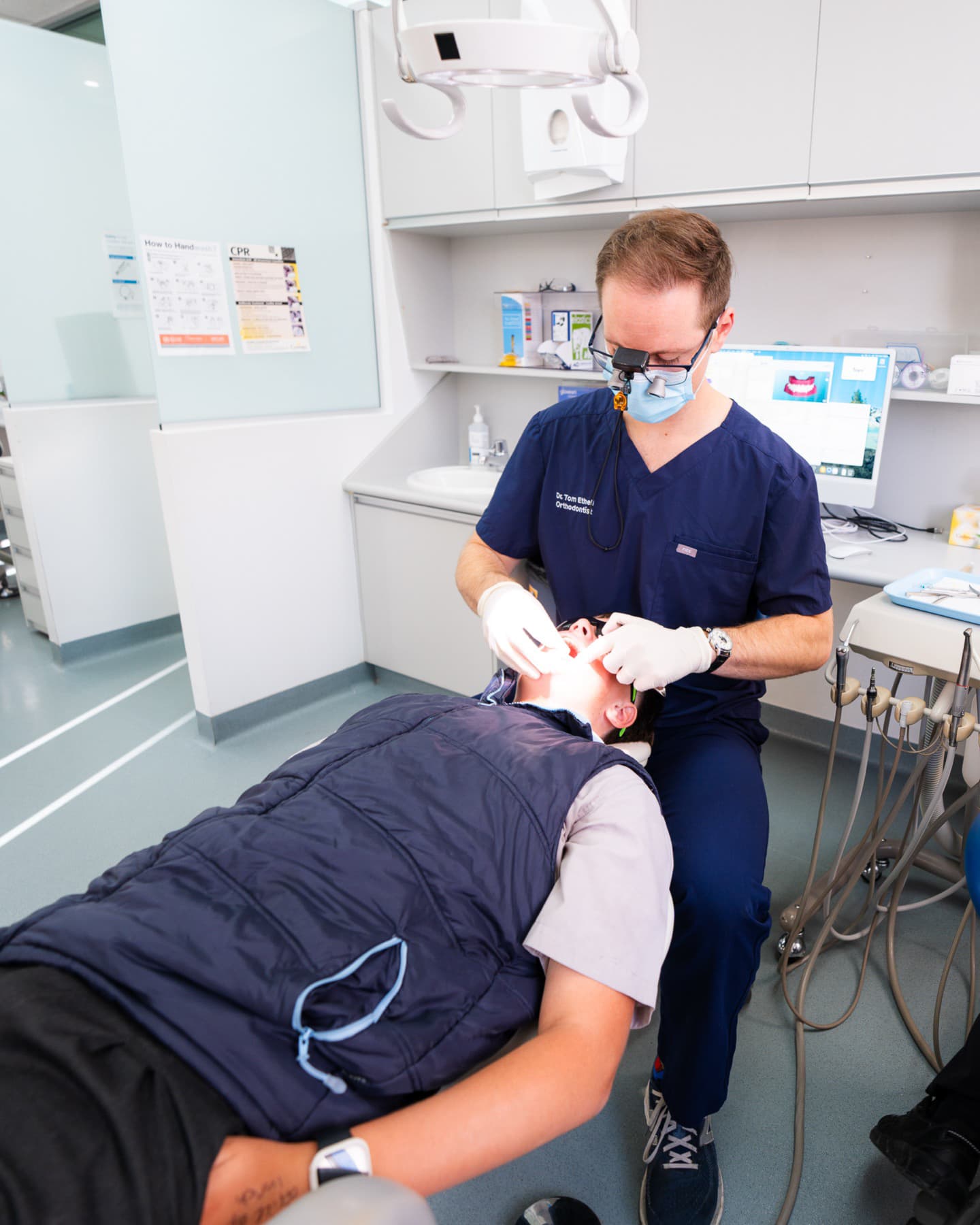
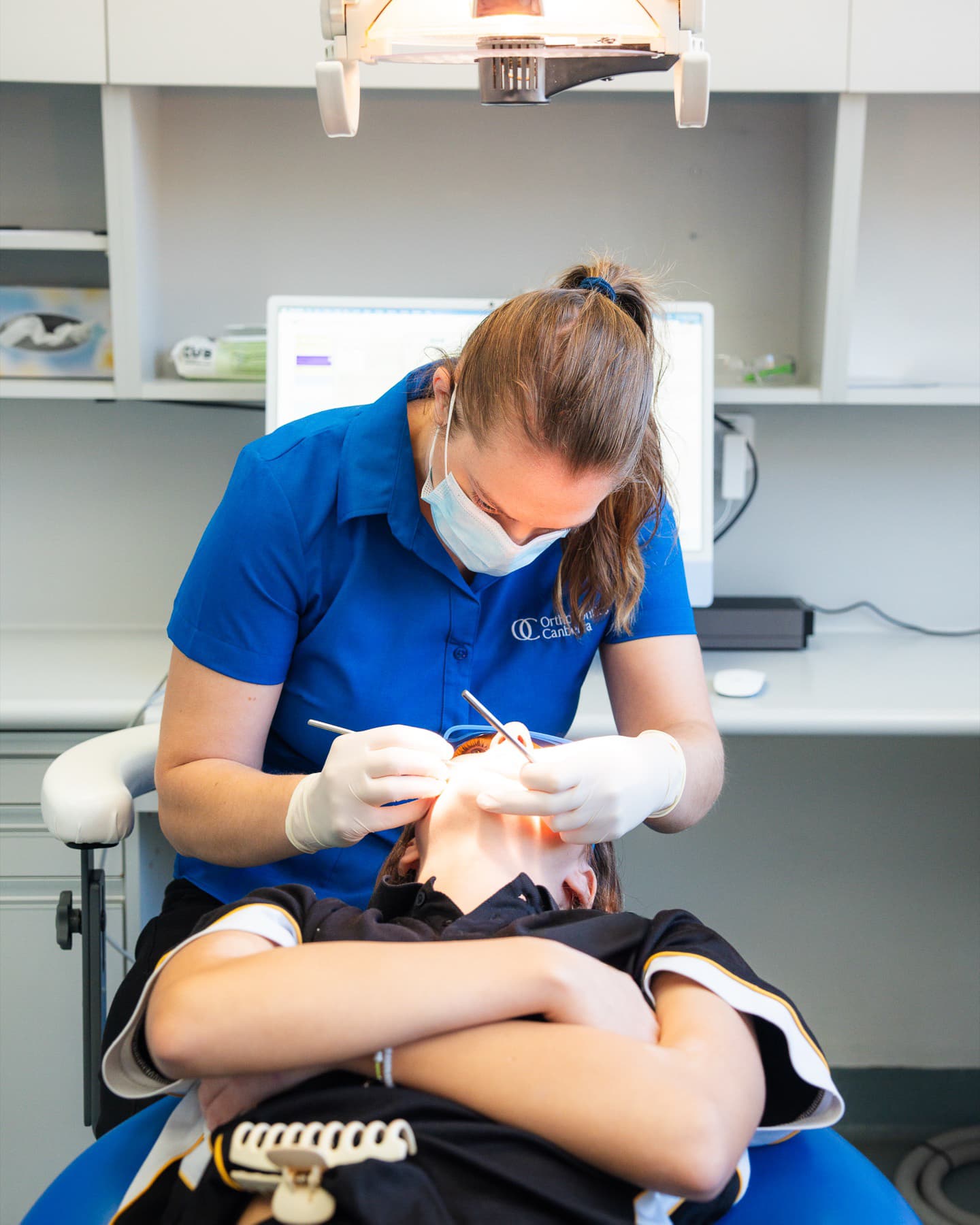
Parents are often surprised at how calm and straightforward an orthodontic screening appointment can be. It is not about fitting braces on the first visit.
A typical assessment may include:
-
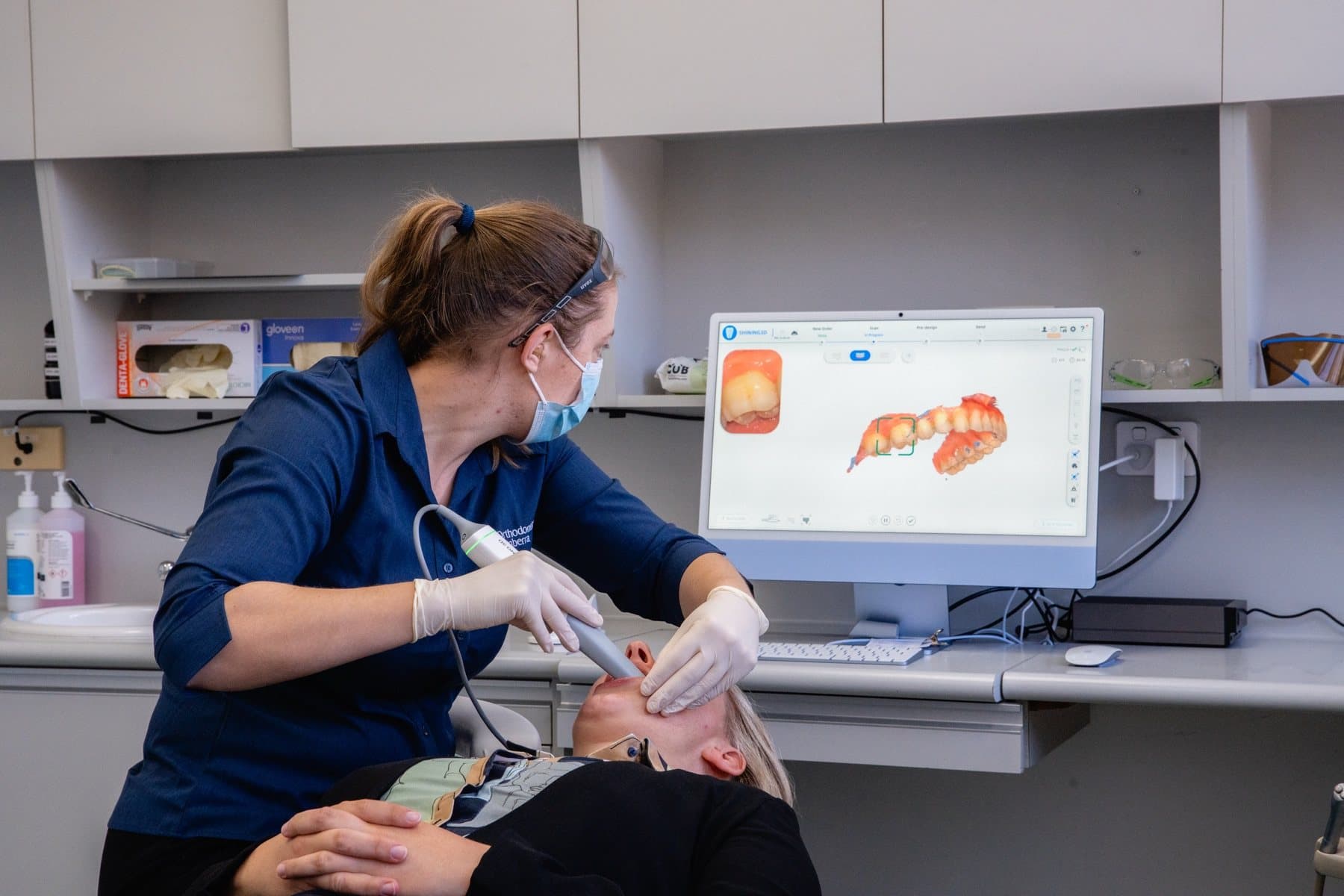
Clinical examination of the bite
-
Evaluation of facial growth patterns
-
Review of eruption patterns
-
Photographs
-
Radiographs where indicated
-
Discussion about oral habits such as thumb sucking
-
Monitoring frequency planning
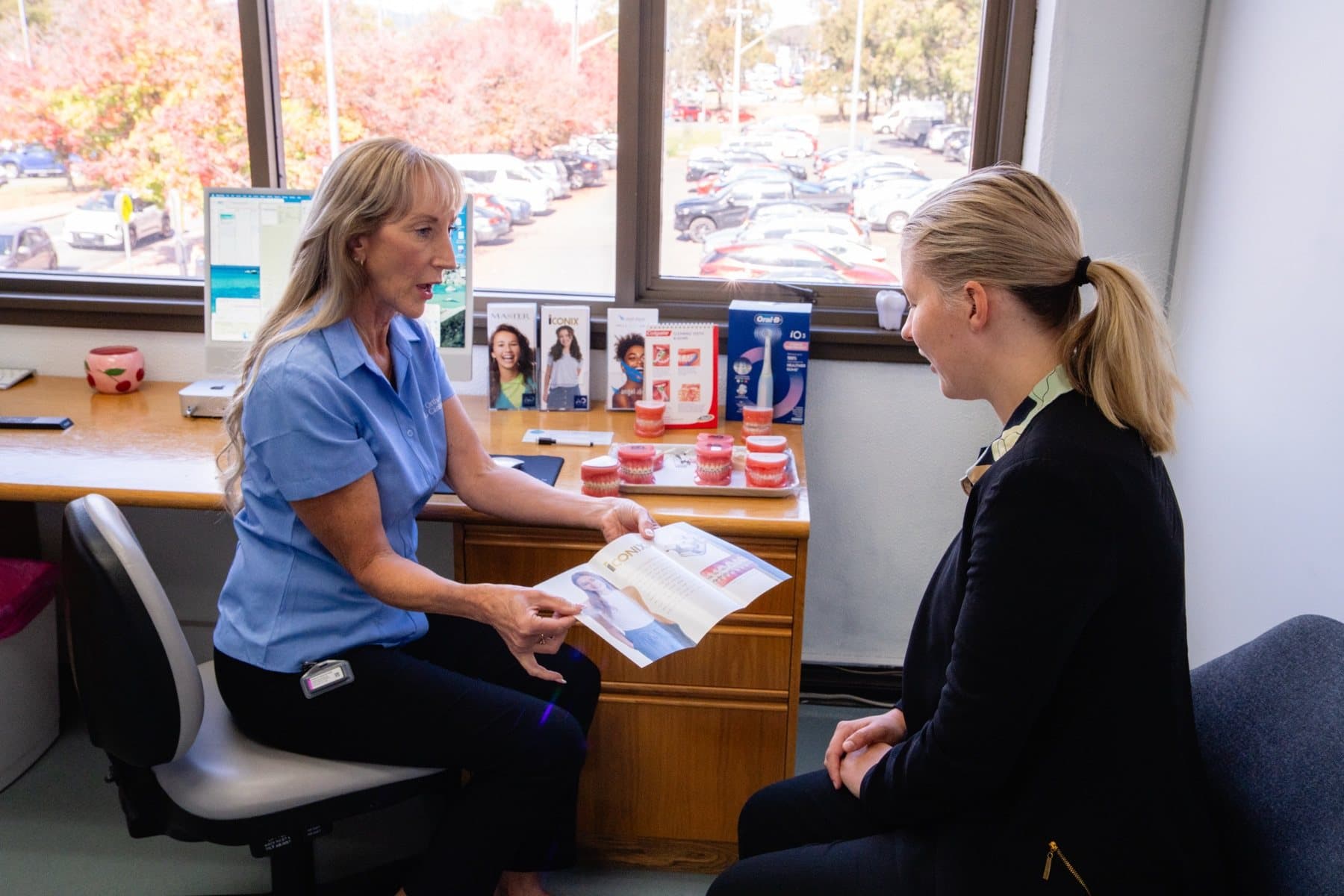
Many children are placed on an orthodontic observation period with growth and development checks. When everything is developing normally, there is genuine satisfaction in telling families that nothing needs to be done now.
Observation is a valid and often recommended pathway.
Does Early Assessment Mean Immediate Braces Or Aligners?
No. Not every child requires early orthodontic treatment.
Management pathways may include:
| Pathway | Description | Purpose |
|---|---|---|
| Observation | Periodic review only | Monitor growth and development |
| Interceptive appliance | Early intervention such as expansion | Guide jaw or tooth development |
| Habit correction | Address thumb sucking or tongue posture | Reduce developmental impact |
| Referral | Further specialist consultation | Additional evaluation |
| Delayed treatment | Braces or aligners in adolescence | When growth timing is optimal |
For some children, expansion may be recommended during the upper jaw growth spurt between 6 and 10 years old. For others, aligners or braces may be better suited during adolescence.
The timing is individual. That is why early evaluation matters.
How Does Growth Influence Long Term Smile Development?
There are characteristics of a youthful smile and characteristics of an older smile. Smile aesthetics and function change over time due to growth, wear and development.
The philosophy behind early orthodontic assessment is not simply about straight teeth. It is about directing treatment toward prolonging the youthfulness of a smile for as long as possible while maintaining health and function.
Monitoring jaw growth evaluation child development allows clinicians to determine:
-
Whether the upper jaw is growing adequately
-
Whether the lower jaw development is balanced
-
Whether space maintenance is needed
-
Whether skeletal versus dental concerns are present
The mixed dentition stage provides this clarity. After growth slows, certain adjustments become more complex.
What Are The Benefits Of Early Orthodontic Monitoring?
Early orthodontic evaluation supports preventive orthodontic care and informed decision making.
Benefits include:
-
Identifying concerns before they become more complex
-
Monitoring dental growth monitoring children
-
Reducing risk of unnecessary extractions in some cases
-
Assessing airway and oral development
-
Managing spacing issues in children
-
Evaluating thumb sucking effects on teeth
Individual variability is always considered. Not all crowding worsens. Not all spacing requires intervention. The purpose is monitoring, not over treatment.
Why Choose Orthodontics CBR Canberra For Early Intervention?
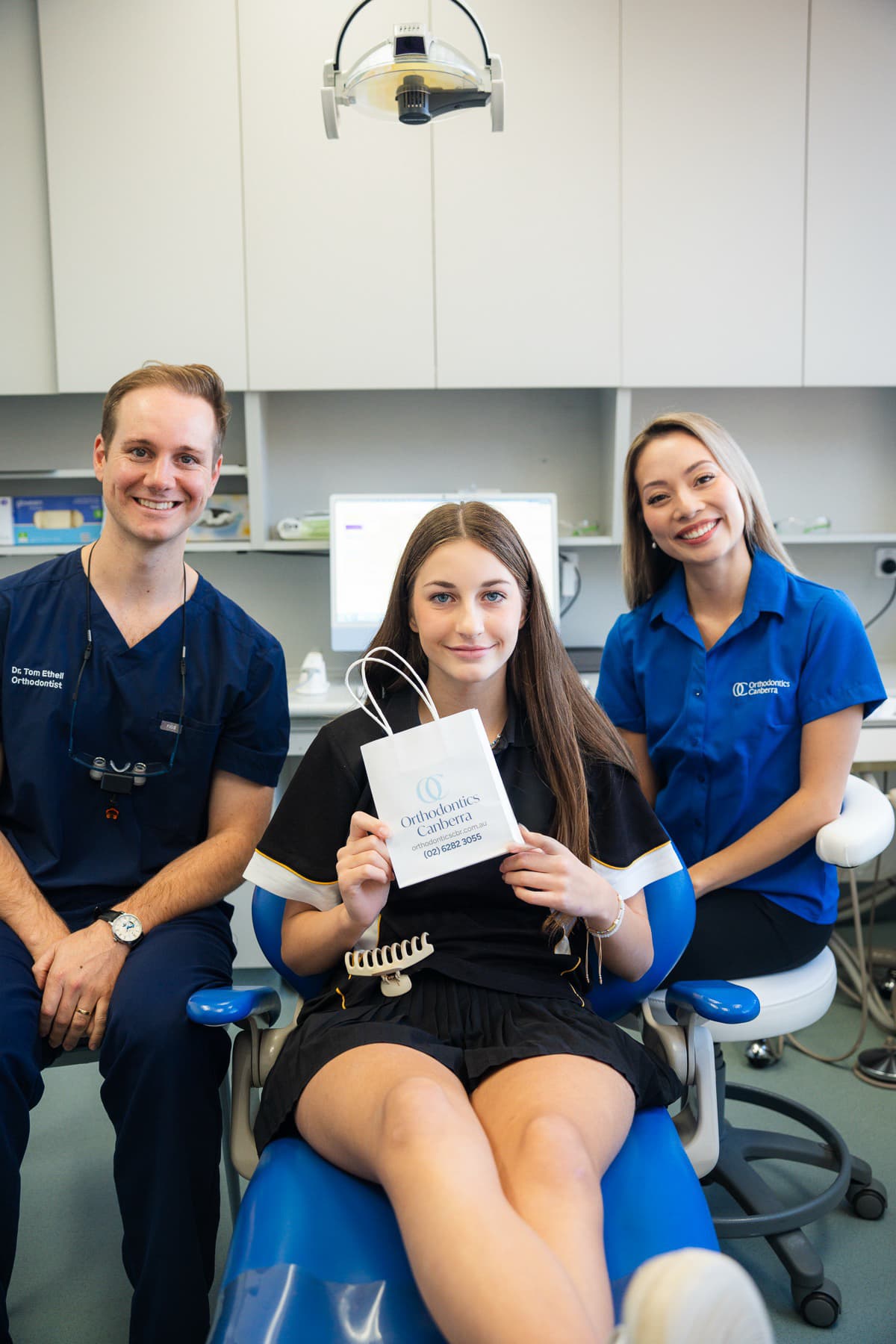
Orthodontics Canberra offers early orthodontic assessment led by Dr Thomas Ethell.
The approach is grounded in careful timing and growth awareness. Children are assessed at age 7 or earlier if there are indications of a concern. If no immediate issues are identified, families are invited back for growth and development checks. This structured monitoring ensures that treatment begins at the right time, not too early and not too late.
Orthodontics Canberra provides comprehensive evaluation for braces, aligners, expansion, and extractions when appropriate. Each plan is individualised based on jaw growth patterns, dental arch development, crowding/ space loss and long term smile health.
The philosophy is simple yet powerful. The goal is a healthy, functional smile, supported by good habits and, where needed, ongoing monitoring. Timing, growth and individual development are central to this approach.
What Do Australian Professional Bodies Recommend About Age 7 Assessments?
Australian professional organisations support early orthodontic screening around age 7 to evaluate growth and bite development.
Further information can be found at:
Australian Society of Orthodontists
https://www.aso.org.au
Australian Dental Association
https://www.ada.org.au
These resources outline the importance of growth monitoring during the mixed dentition stage.
Frequently Asked Questions
Why is age 7 commonly recommended for orthodontic assessment?
Age 7 allows evaluation of eruption patterns, jaw growth direction and developing bite relationships during the mixed dentition stage.
Does every child need early orthodontic treatment?
No. Many children are monitored with periodic reviews and do not require immediate treatment.
What is interceptive orthodontics?
Interceptive orthodontics refers to limited early treatment designed to guide jaw or tooth development during active growth.
Why is upper jaw growth timing important?
The upper jaw growth spurt typically occurs between 6 and 10 years old. Addressing certain concerns during this window can be beneficial.
Can early assessment reduce the need for extractions?
In some cases, identifying concerns early may influence treatment planning and reduce complexity. Each case is individual.
What happens if no issues are found at age 7?
If everything appears normal, growth and development checks may be scheduled to monitor changes over time.
Disclaimer
All dental procedures involve potential risks and benefits. The information provided in this blog is general in nature and should not be taken as medical advice. We recommend that you seek guidance from a suitably qualified health professional before making decisions about your oral health. Where appropriate, you may also wish to consider obtaining a second opinion.
Any images or videos featured are shared with the informed consent of our patients and are intended for educational purposes only. They are not a guarantee of results, as every patient is unique. Treatment outcomes — including recovery, potential complications, and effectiveness — can vary from person to person.