Hearing that your teenager may need braces can bring a mix of relief and uncertainty. You might have suspected dental crowding or bite alignment concerns for a while, or perhaps it came up during a routine dental visit. Either way, once orthodontic treatment planning enters the picture, most parents simply want to understand what happens next.
The good news is that modern orthodontic care follows a structured and thoughtful process. From the first orthodontic visit through to the retention phase, each stage focuses on individual suitability, balanced information and careful monitoring. It is not about rushing into treatment. It is about ensuring the right approach for your teen’s dental development.
What Happens at the First Orthodontic Visit?
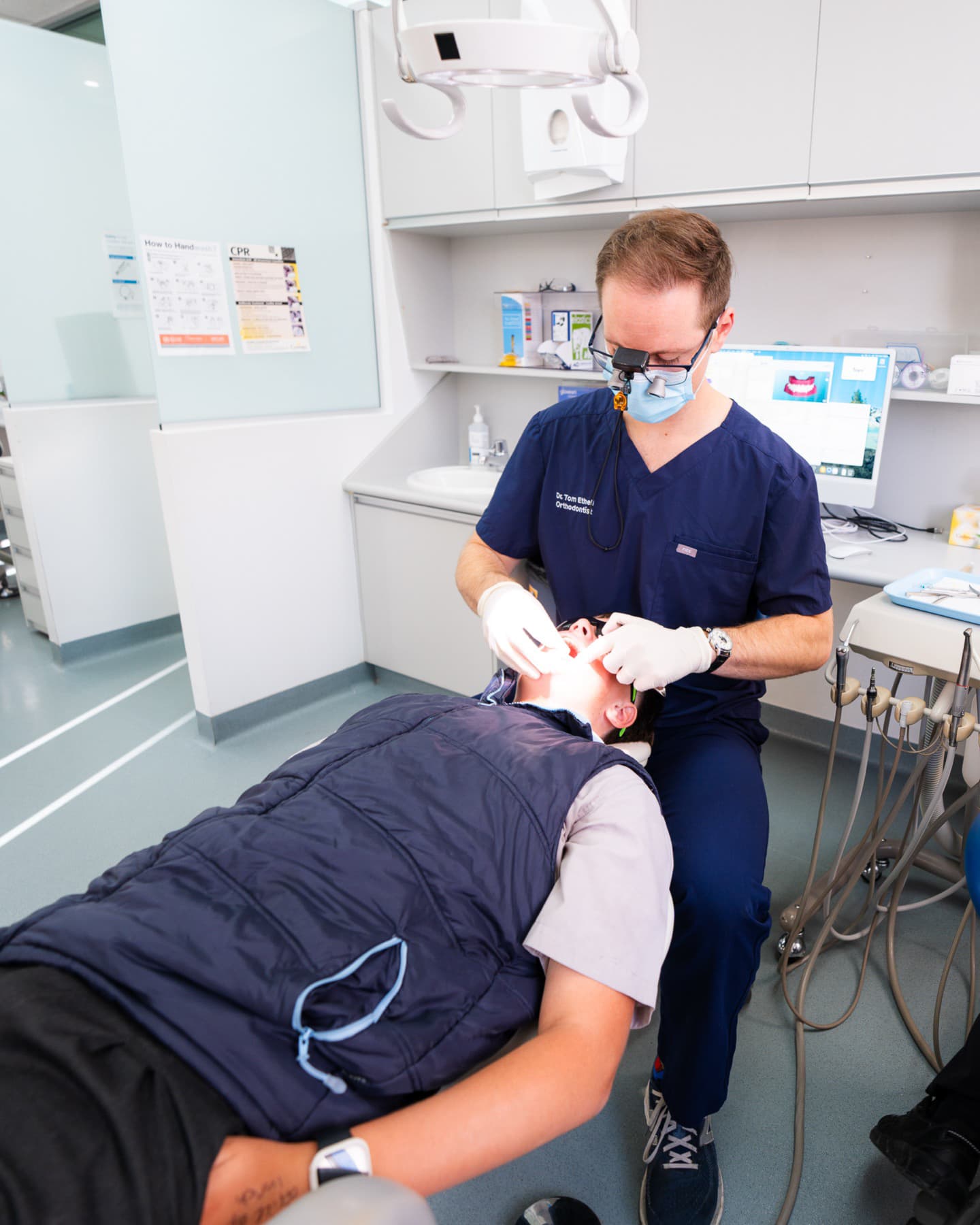
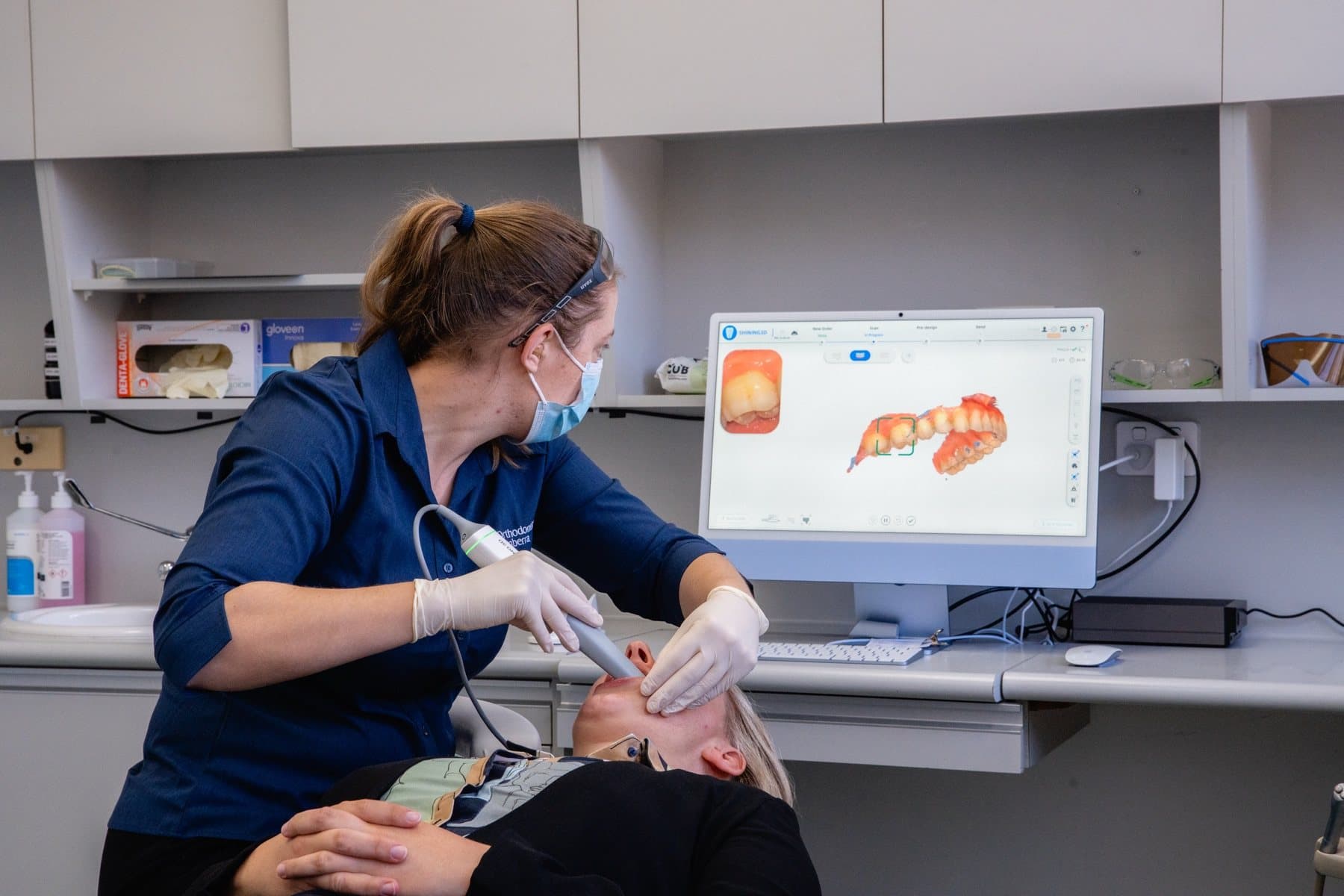
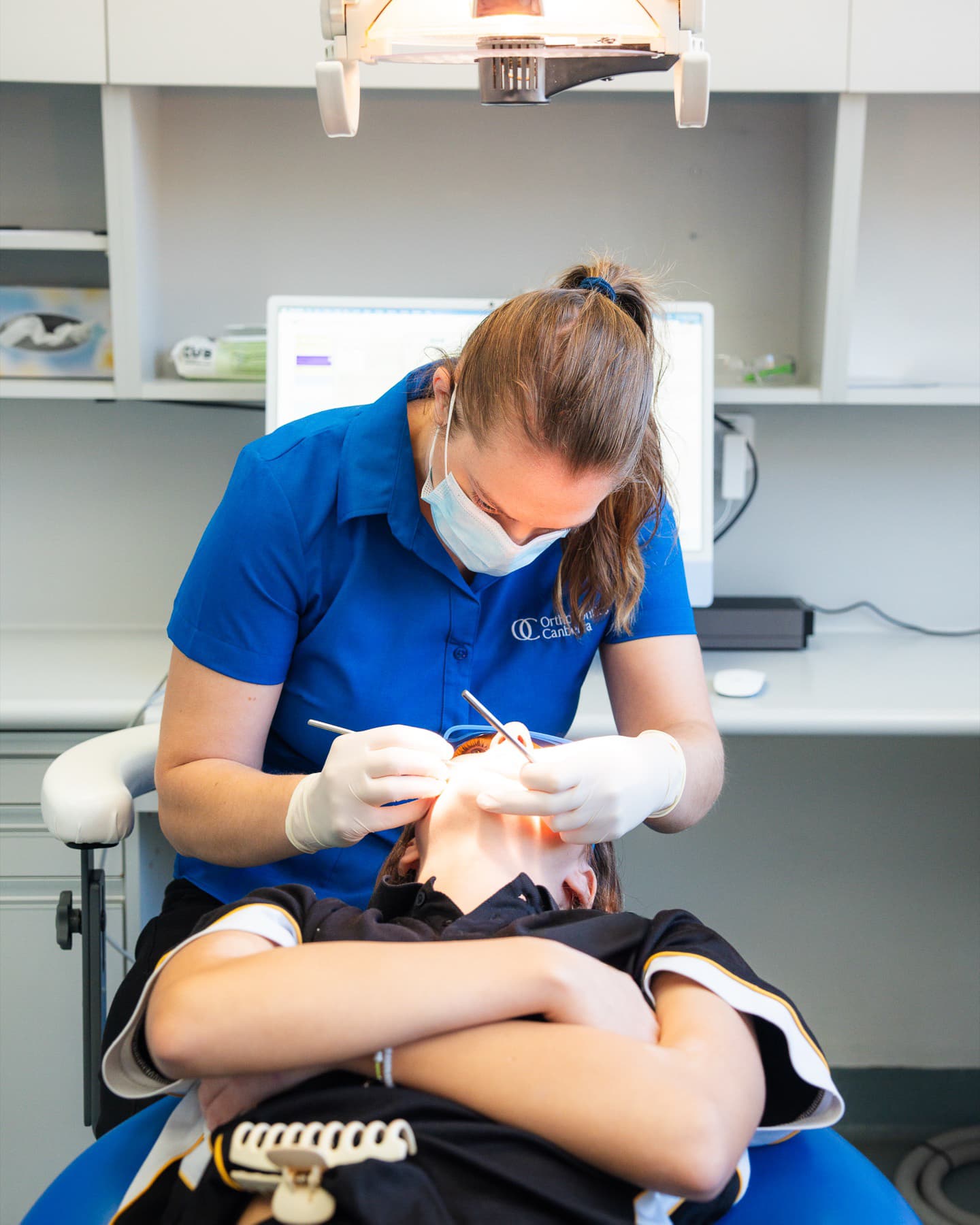
The first orthodontic visit is primarily about assessment and understanding. During this appointment, diagnostic records are taken to evaluate bite alignment, dental arch development and jaw growth patterns. At Orthodontics Canberra, this includes photographs, digital scans (we don't take impressions anymore), and orthodontic X-rays where appropriate.
The goal is to identify:
- The type and severity of crowding and spacing
- The presence of overbite, underbite or crossbite
- The position of unerupted or impacted teeth
- Jaw growth direction
- Overall orthodontic suitability
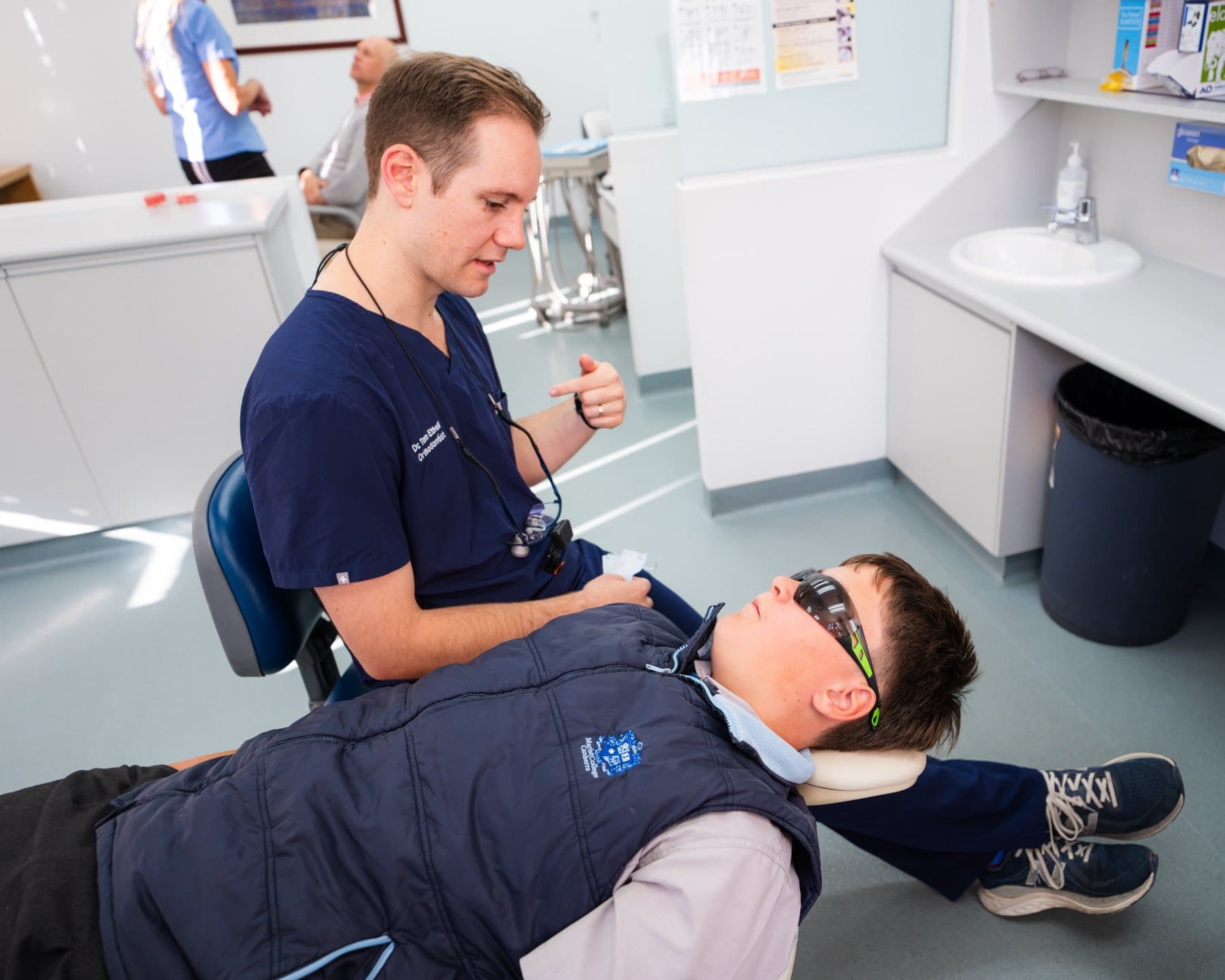
This stage allows a personalised discussion about options. Some teens may benefit from immediate braces placement, while others may be monitored for a short period before starting.
How Is Orthodontic Treatment Planning Developed?
Orthodontic treatment planning considers several important factors:
- Dental development stage
- Remaining jaw growth
- Oral hygiene habits
- Teen compliance and responsibility
- Functional concerns such as chewing or speech
Parents are usually provided with balanced information about the proposed plan, including estimated treatment duration, adjustment appointments and the retention phase. It is important to understand that how long braces stay on varies between individuals. Complexity of alignment, growth and cooperation all influence timing.
How Are Braces Fitted and What Should Teens Expect?
When braces placement is scheduled, the procedure involves preparing the teeth, attaching brackets and placing the orthodontic wire. The process is typically completed in one appointment. Some mild discomfort is common in the first few days as teeth begin to adjust to gentle pressure.
Common experiences during early treatment include:
- A feeling of tightness
- Temporary sensitivity when chewing
- Minor irritation to lips or cheeks
Managing discomfort is part of the adjustment period. Teens are given guidance about oral hygiene with braces and how to care for appliances properly.
How Often Are Adjustment Appointments Needed?
Orthodontic follow up visits are typically scheduled every four to eight weeks. During these adjustment appointments, wires may be changed or tightened, and progress is reviewed.
These regular visits allow monitoring of:
- Tooth movement
- Bracket stability
- Oral hygiene
- Jaw alignment
Consistency with appointments is important for keeping treatment on track. Missing visits can delay progress.
Below is a general overview of what parents should expect throughout treatment:
| Area | What to Expect |
|---|---|
| Mild discomfort | Common in early days and after adjustments |
| Dietary changes | Avoid hard or sticky foods |
| Oral hygiene | Extra brushing time required |
| Appointment frequency | Every 4 to 8 weeks |
| Treatment duration | Varies depending on complexity |
How Important Is Oral Hygiene During Braces?
Oral hygiene with braces requires extra attention. Brackets and wires can trap food particles, increasing the risk of plaque build up if brushing is inconsistent
Teens are encouraged to:
- Brush after meals
- Use interdental brushes where appropriate
- Floss carefully
- Attend routine dental check ups
Teen dental compliance plays a major role in maintaining gum health and avoiding complications during treatment. Good habits established early can support smoother progress.
What About Diet and Lifestyle Adjustments?
Certain dietary adjustments with braces are recommended to protect appliances. Hard lollies, sticky confectionery and very crunchy foods can damage brackets or wires.
Encouraging teens to make sensible food choices at home and school supports appliance stability. It is also helpful to pack a small dental kit in their school bag to manage cleaning after meals.
What Happens After Braces Are Removed?
The retention phase is an essential part of orthodontic care. Once braces are removed, retainers after braces are used to help maintain alignment while bone and soft tissues stabilise.
Retention involves:
- Retainer fitting
- Instructions for wear
- Ongoing monitoring
Without proper retainer use, teeth can gradually shift. This stage is just as important as active treatment.
Below is a summary of the orthodontic journey:
| Stage | Focus |
|---|---|
| Initial Consultation | Diagnostic records and suitability assessment |
| Treatment Planning | Discussion of options and duration |
| Braces Placement | Appliance fitting and care guidance |
| Adjustment Visits | Monitoring and wire changes |
Why Is Parental Support So Important?
Orthodontic care is a shared responsibility. Parents can support their teen by:
- Encouraging consistent oral hygiene
- Attending scheduled orthodontic reviews
- Reinforcing retainer use
- Maintaining regular dental check ups
Clear communication between the orthodontic team, parents and teens supports realistic expectations and positive outcomes.
Searching for Trusted Orthodontic Guidance in Canberra?
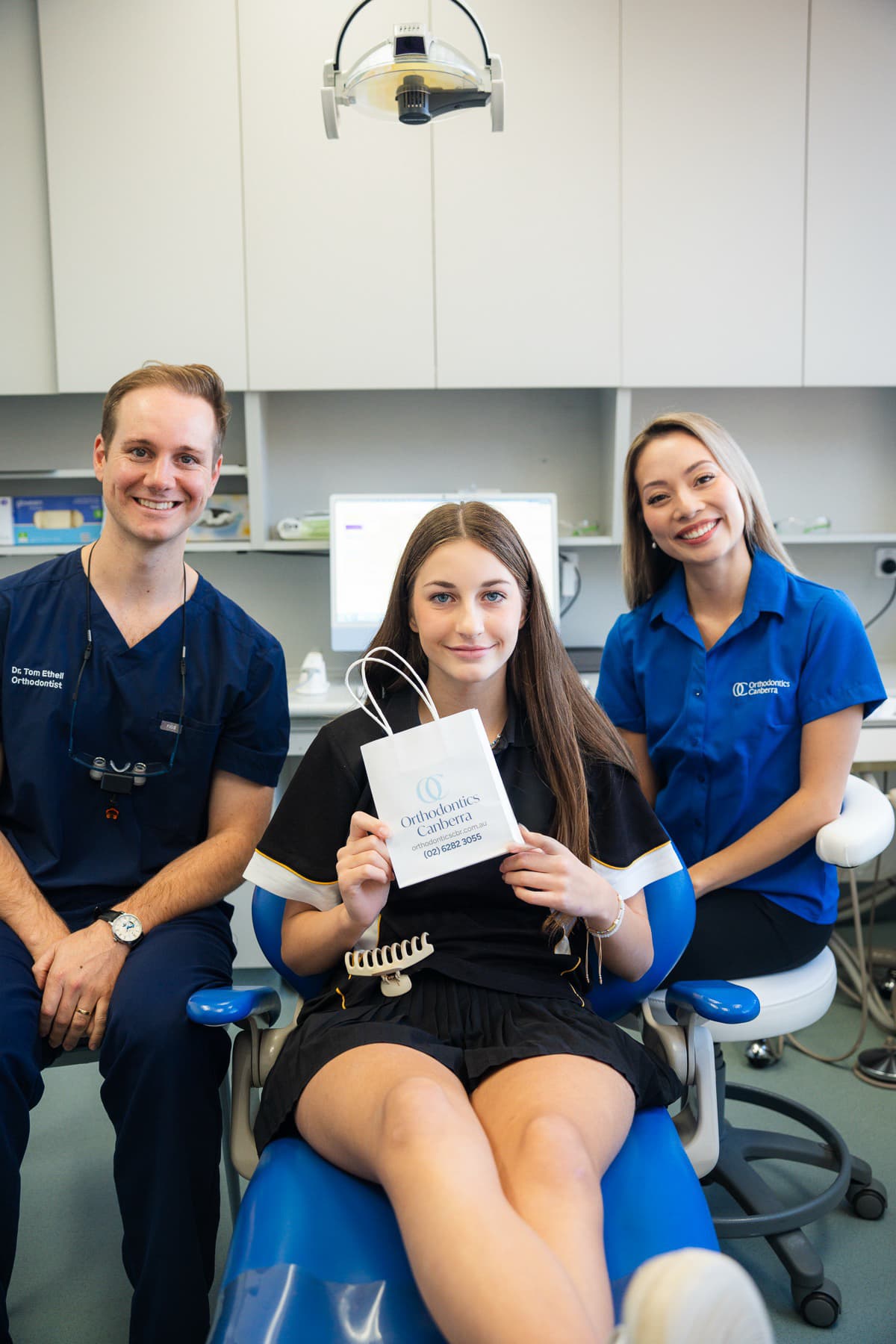
When your teen needs braces, reassurance and clarity matter. Orthodontics Canberra provides structured orthodontic treatment planning, detailed diagnostic records and ongoing support throughout braces placement and retention. Every case is assessed individually, with attention to growth patterns, bite alignment and long term stability. Families are guided through each stage with balanced information and practical advice, ensuring teens feel informed and supported from the first orthodontic visit to the final retainer review.
References
Australian Dental Association
https://www.ada.org.au
Australian Society of Orthodontists
https://www.aso.org.au
Australian Government Department of Health and Aged Care
https://www.health.gov.au
Frequently Asked Questions
-
How long do braces usually stay on?
Treatment duration varies between individuals depending on alignment complexity and growth patterns. -
Are braces painful?
Mild discomfort is common during the first few days and after adjustment appointments. This usually settles as the mouth adapts. -
Can my teen play sport with braces?
Yes, but a custom mouthguard is recommended for contact sports. -
What happens if a bracket breaks?
You should contact your orthodontic clinic for advice. Prompt repair helps maintain progress. -
Why are retainers necessary after braces?
Retainers help stabilise teeth while surrounding bone and tissues adjust. -
Can braces affect speech?
There may be a short adjustment period, but most teens adapt quickly.
Disclaimer
All dental procedures involve potential risks and benefits. The information provided in this blog is general in nature and should not be taken as medical advice. We recommend that you seek guidance from a suitably qualified health professional before making decisions about your oral health. Where appropriate, you may also wish to consider obtaining a second opinion.
Any images or videos featured are shared with the informed consent of our patients and are intended for educational purposes only. They are not a guarantee of results, as every patient is unique. Treatment outcomes — including recovery, potential complications, and effectiveness — can vary from person to person.